Table of Contents
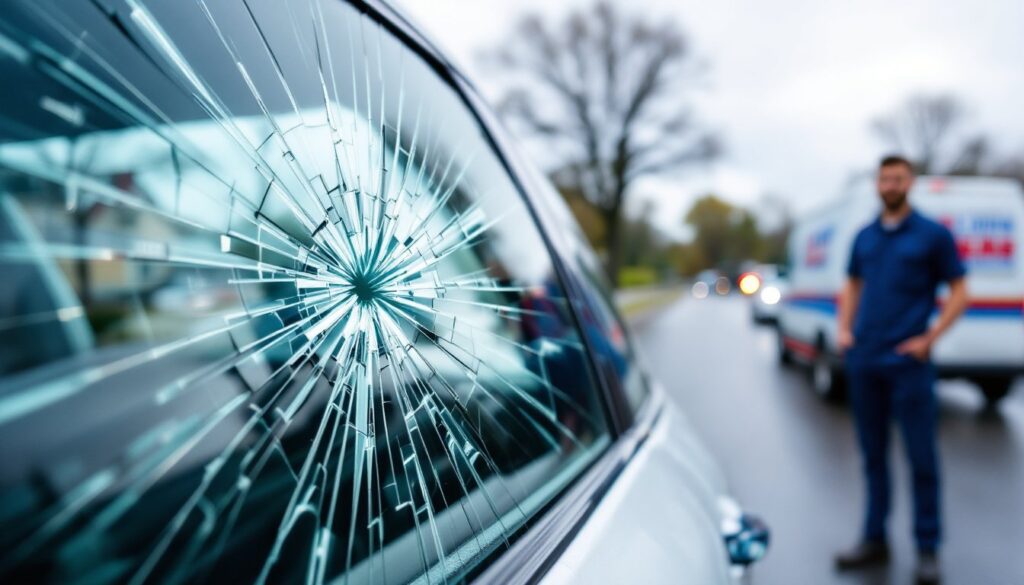
ToggleA cracked or shattered passenger side window isn’t just an eyesore, it compromises security, affects fuel efficiency, and leaves your vehicle vulnerable to weather and road debris. Whether you hit a pothole, caught a rock on the highway, or had an unfortunate encounter with a baseball, replacement becomes necessary. The big question: how much will it cost? Window replacement expenses vary wildly depending on your vehicle, glass type, and whether you tackle installation yourself or hire a professional. Understanding these costs upfront helps you budget properly and make the best decision for your situation.
Key Takeaways
- Passenger side window replacement cost ranges from $200–$1,200 depending on vehicle type, with economy cars on the lower end and luxury vehicles on the higher end.
- OEM glass is the most expensive option ($400–$800 installed), while aftermarket glass ($200–$500) offers safe, legal alternatives that save $100–$200 for most vehicles.
- Professional installation is recommended over DIY because it includes warranty protection, proper sealing, and expertise—DIY mistakes can lead to costly water leaks and wind noise.
- Labor typically accounts for 40–60% of total replacement costs, and newer vehicles with sensors or advanced features may require additional recalibration ($50–$200).
- Check your insurance coverage immediately, as many comprehensive policies cover glass replacement with minimal or no copay, potentially saving hundreds of dollars.
- Shop around for quotes from multiple providers, as prices can vary by $100–$300 for the same job, and consider mobile glass services for added convenience.
Average Cost Breakdown by Vehicle Type
Passenger side window replacement costs depend significantly on what you’re driving. For economy sedans and compact cars, expect to pay between $200 and $350 for glass and installation combined. Mid-size sedans and SUVs typically run $300 to $500, while luxury and premium vehicles can easily exceed $600 to $1,200. High-end German imports, electric vehicles with specialized glazing, and vehicles with advanced features like heated glass or acoustic insulation push costs even higher.
The difference comes down to more than just brand prestige. A Toyota Corolla uses a standardized replacement pane that’s mass-produced and inexpensive. A Tesla Model 3 or BMW 3 Series passenger window, meanwhile, may include acoustic lamination, UV coatings, or integration with window regulators that require specialized ordering and labor. According to pricing data on window glass replacement, labor typically accounts for 40–60% of the total cost, with the glass itself making up the remainder. Older vehicles sometimes cost less because parts inventory is deeper and installation is straightforward. Newer models with integrated electronics or custom tinting can surprise you with unexpected charges.
Factors That Impact Your Replacement Cost
Beyond your vehicle type, several variables shape what you’ll actually pay at the shop or DIY workbench.
Glass Quality and Type
You have three main glass options, each with different cost implications. OEM (Original Equipment Manufacturer) glass is what came on your car from the factory. It’s guaranteed to fit perfectly and match specifications, but it’s the priciest option at $400–$800 installed for many vehicles. Aftermarket glass is produced by third parties (like Safelite or O’Reilly’s house brand) and runs $200–$500 installed. It meets safety standards and works just fine, though some drivers worry about fit or quality variance. Used/salvage glass from a junkyard is the budget option at $50–$150 for the pane alone, but there’s no warranty, and you’re responsible for installation labor.
Specialized glass adds cost too. Tinted glass (already colored at the factory) costs more than clear. Heated glass for defrost functionality bumps the price significantly. Acoustic or laminated glass, found on luxury vehicles to reduce road noise, can double the replacement cost. If your original window had any of these features, matching them during replacement is essential for both safety and vehicle value.
Vehicle Make and Model
Brand matters because of parts availability and labor complexity. Japanese brands (Honda, Toyota, Mazda) typically have cheap, readily available parts and straightforward installation, keeping costs down. German luxury brands (BMW, Mercedes, Audi) charge a premium for parts and often require dealer installation or specialized training. American trucks and SUVs fall in the middle, with decent part availability but sometimes higher labor costs due to size or access difficulty.
Newer vehicles with driver assistance systems, cameras, sensors, or radar behind the windshield area, sometimes require recalibration after glass replacement. This adds $50–$200 to your bill. Vehicles with power windows that have complex regulator assemblies also cost more to service because the glass and mechanism are tightly integrated. Older, simpler vehicles with manual windows or basic regulators are cheaper and faster to repair.
DIY vs. Professional Installation
You might think replacing a passenger window is a straightforward DIY job, after all, it’s “just glass,” right? Not quite. The reality is more complex and risky than it appears.
Professional installation is the safer, more reliable path for most people. Auto glass shops have specialized suction cups, cutting tools, and sealant guns designed for the job. They remove door panels without damaging trim, properly seat the glass with urethane sealant, align the window with regulators, and ensure weatherproofing. Most reputable shops offer warranties of 3–5 years on materials and labor. You’re paying for expertise and accountability. Many insurance policies cover glass replacement with a small copay, and shops handle insurance claims directly, a huge convenience factor.
DIY replacement is possible but comes with significant challenges. You’ll need to source the correct glass (which requires VIN-specific ordering), acquire specialized tools (glass cutter, regulator removal tools, urethane sealant gun), remove interior door panels without breaking clips, and properly seal the new pane. One mistake, a misaligned seal, improper curing of urethane, or a regulator that isn’t correctly reinstalled, can lead to wind noise, water leaks, or a window that won’t operate smoothly. If the regulator (the mechanical system that moves the window up and down) is damaged, DIY repair becomes exponentially harder and requires partial door disassembly.
DIY makes sense only if you have mechanical experience, access to tools, and patience for a 2–4 hour job. You might save $100–$300 in labor, but one error could cost you that savings in callbacks or additional repairs. For most homeowners and vehicle owners, professional installation is worth the cost for quality assurance and peace of mind.
Money-Saving Tips for Window Replacement
If you’re facing a window replacement bill, here are practical ways to reduce costs without sacrificing quality.
Check your insurance coverage. Many comprehensive auto policies cover glass replacement with a copay of $0–$500. Some insurers even waive the copay if you use their preferred glass provider. A quick call to your agent takes five minutes and could save you hundreds.
Shop around and get quotes. Glass shops vary widely in pricing. Request estimates from three to five local providers, both independent shops and national chains like Safelite. Prices differ by $100–$300 for the same job. Online services let you compare rates quickly: platforms like Angi and ImproveNet connect you with vetted local contractors and often feature customer reviews and price comparisons.
Choose aftermarket glass if OEM isn’t essential. For most vehicles, aftermarket replacement glass is safe, legal, and indistinguishable from factory glass. Unless your car is a collectible or specialty vehicle, aftermarket saves $100–$200. Confirm the shop uses quality brands with good reputations.
Use mobile glass services. Some shops come to you, reducing your downtime and sometimes offering small discounts. They can install the new pane in your driveway or parking lot.
Ask about bundled discounts. If your car needs multiple windows replaced, some shops offer discounts on the second or third pane. If you’re having front or rear glass done simultaneously, negotiate a package rate.
Avoid unnecessary add-ons. Some shops upsell treatments like water-repellent coatings or anti-glare tints. These are optional and often overpriced. Stick to the glass and standard installation unless you specifically want these features.
Conclusion
Passenger side window replacement in 2026 typically ranges from $200 to $1,200 depending on your vehicle, glass type, and installation method. Economy cars lean toward the lower end: luxury vehicles and those with specialized glazing reach the upper range. Insurance often covers much of the cost, making a quick policy check worthwhile. While DIY installation is technically possible, professional installation offers warranty protection and peace of mind. Getting multiple quotes and exploring aftermarket glass options are your best cost-control levers. Plan ahead, don’t rush the decision, and prioritize quality over rock-bottom pricing, a properly installed window keeps your car secure, efficient, and comfortable.