Table of Contents
ToggleReplacing windows is one of those projects that seems straightforward until you start pricing them out. A single replacement window can run anywhere from $300 to over $2,000 depending on what you choose, and most homeowners install multiple windows at once. The total bill depends less on the square footage of your home and more on material choices, window style, installation complexity, and whether you hire labor or go the DIY route. This guide breaks down the real costs you’ll encounter in 2026, so you can budget accurately and avoid sticker shock when the quote arrives.
Key Takeaways
- The average cost of replacement windows ranges from $500 to $1,200 per window installed, with most homeowners spending $5,000 to $12,000 for a complete whole-house project depending on material and style choices.
- Vinyl windows are the most budget-friendly option at $150 to $400 per unit, while fiberglass ($300 to $700) and wood ($400 to $1,200) offer superior durability and aesthetics at higher price points.
- Labor costs represent roughly half of your total replacement window expense, ranging from $100 to $300 per window and varying significantly based on regional rates and opening complexity.
- Stick to standard window sizes and double-hung or sliding styles to minimize costs, while reserving premium materials and specialty shapes for accent windows where aesthetics matter most.
- Triple-pane glass and low-E coatings are worthwhile investments for high-impact rooms in cold climates but can be skipped for secondary spaces to reduce overall project cost.
- Obtain at least three contractor bids, schedule installation during off-season months, and tackle demolition work yourself to unlock 5% to 10% savings on your window replacement project.
Typical Cost Range For Replacement Windows
Window replacement costs vary widely, but here’s what the typical homeowner should expect to budget:
Per-window pricing: A single replacement window typically runs $300 to $900 for the unit itself, depending on material and features. Add labor, and you’re looking at $500 to $1,200 per window installed. Window replacement costs nationwide when both materials and installation are included.
Whole-house projects: The average home replaces 10 to 15 windows. A typical replacement of 10 double-hung vinyl windows might cost $5,000 to $8,000 total, while upgrading to fiberglass or wood frames pushes that to $10,000 to $15,000. High-end options like triple-pane or specialty shapes can exceed $20,000 for a full-house job.
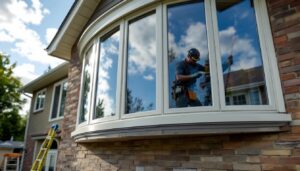
These figures assume standard double-hung or slider windows in typical wall openings. Bay windows, picture windows, or custom shapes add significant cost. Regional labor rates also matter, urban areas and markets with high cost of living will skew higher than rural regions.
Factors That Impact Window Replacement Costs
Several variables drive the final price. Understanding each one helps you make smart choices without overpaying for features you don’t need.
Window Material And Frame Type
Vinyl is the budget option and the most common choice. Expect $150 to $400 per window unit, making it ideal for straightforward replacements. It’s durable, requires minimal maintenance, and insulates reasonably well. The trade-off: it can warp in extreme heat and won’t match original wood trim if your home has wood frames.
Fiberglass costs $300 to $700 per unit but offers superior durability and better thermal performance than vinyl. It won’t warp or rot, accepts paint easily, and mimics wood appearance without the maintenance burden. Builders and remodelers often recommend fiberglass for older homes where aesthetics matter.
Wood frames run $400 to $1,200 per window and deliver authentic character and warmth. They accept any finish, insulate excellently, and match original trim seamlessly. The catch: they demand regular painting or staining to prevent rot and weathering, especially in humid climates. If you inherit wood frames, budget for ongoing upkeep.
Aluminum and steel are less common in residential work today but still appear in commercial and some modern builds. They conduct heat and cold readily, so they’re poor insulators unless paired with thermal breaks. Cost is typically $200 to $500 per unit.
Window Style And Functionality
Double-hung windows (the standard vertical sash style) are the most affordable at $200 to $600 per unit. They’re easy to clean, familiar to most homeowners, and work in almost any opening. Replacement is straightforward if the existing rough opening is square and level.
Sliding (or slider) windows cost similar to double-hung, $200 to $700 per unit. They suit wide openings and minimize interior obstruction since there’s no central vertical divider.
Casement windows (hinged on the side, crank-operated) run $300 to $800 per unit. They open fully, improve ventilation, and suit modern architectural styles. Installation is slightly more involved since the hinge and crank hardware must be precisely fitted.
Picture windows are fixed (non-operable) and start around $250 to $600 per unit for large single panes. Since there’s no operating mechanism, they cost less upfront, though you sacrifice ventilation. Pair them with operable casements or double-hungs if you need fresh air control.
Specialty shapes, arches, circles, trapezoids, add $400 to $1,500 or more per window due to custom framing and glazing. Most homeowners install these as accents, not whole-house replacements.
Glass upgrades boost costs significantly. Single-pane glass is rare in new replacements. Double-pane (insulated glass) is standard and included in most pricing. Triple-pane glass adds $100 to $300 per window and is worthwhile in cold climates (northern states, high elevation). Low-E coatings (reflective layers that reduce solar heat gain or retain interior heat) add $50 to $150 per window. Tempered or laminated glass for safety adds $75 to $200 per window.
Installation Costs And Labor Expenses
Labor is often half the total window replacement bill, yet many homeowners underestimate it.
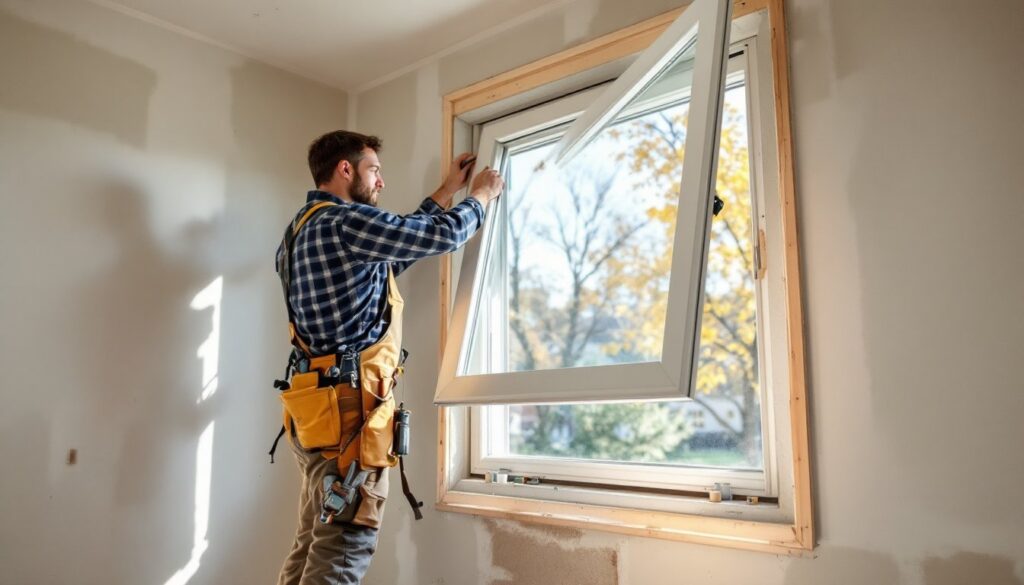
Professional installation typically costs $100 to $300 per window, depending on your region and the complexity of the opening. A straightforward replacement into an existing frame is cheaper ($100–$150) than removing and replacing trim, dealing with damaged sills, or addressing rot or structural issues in the opening. Urban markets and areas with strong contractor unions lean toward the higher end.
Removal and disposal of old windows sometimes carries an additional fee, $50 to $200 per window, if your contractor doesn’t bundle it into the labor rate. Reclaimed or antique windows might recoup some cost if you donate or resell them, but standard aluminum or vinyl frames have minimal salvage value.
Opening prep work can inflate costs unexpectedly. If the rough opening (the framed hole in your wall) is out of square, water-damaged, or surrounded by settled framing, the installer must shim, caulk, and seal carefully. Severely damaged openings may require structural repair before the window goes in, which pushes the bill well beyond a simple swap.
Trim work is where final costs hide. If you’re replacing interior or exterior trim (called “case trim” on the interior, “perimeter trim” outside), add $20 to $100 per window for materials and labor. Matching existing trim profiles or replicating period-appropriate casings adds time and expense.
DIY installation is possible if you’re comfortable with basic carpentry, caulking, and shimming, but it’s not a beginner project. You’ll need a level, shims, silicone caulk, and patience to seal against air and water leaks. One wrong move with the caulking gun or a misaligned unit creates draft and moisture problems for years. Most homeowners hire labor for at least some of the work, even if they handle trim painting themselves.
Cost-Saving Tips For Your Window Replacement Project
Smart choices can trim hundreds or even thousands from your replacement bill without sacrificing durability or efficiency.
Choose vinyl for straightforward replacements. Vinyl windows deliver solid performance at the lowest per-unit cost. Unless your home is historic, vinyl suits most interiors and exteriors. Save fiberglass and wood for accent windows or visible front-facing openings where aesthetics justify the premium.
Stick to standard sizes. Custom or specialty sizes (circles, trapezoids, oversized single panes) add 30% to 80% to the unit cost. If you’re replacing multiple windows, measure carefully and replace like-for-like whenever possible.
Bundle materials for volume discounts. Get quotes for a full 10- or 15-window job rather than pricing windows one or two at a time. Contractors offer better rates on bulk orders, and it’s more efficient for labor scheduling.
Upgrade glass strategically, not every window. Triple-pane and low-E glass make sense in bedrooms and living areas but may be overkill for closets, bathrooms, or north-facing basement windows. Concentrate premium glass in high-impact rooms.
Compare contractor bids carefully. Home service sites like that help you validate estimates. Three solid bids let you spot overpriced quotes and identify red flags like unusually low prices (often a sign of corners being cut).
Tackle prep work yourself if you’re handy. Scraping old paint, removing exterior trim boards, or demolishing old interior casings is time-consuming but straightforward. If you handle the demo and disposal, contractors can jump straight to installation, reducing labor hours and cost. Just ensure you don’t damage the rough opening or surrounding wall structure.
Schedule off-season. Window installation demand peaks in spring and summer. Booking in fall or winter may net you a 5% to 10% discount from contractors hungry for work. Plan ahead and be flexible with timing.
Skip expensive add-ons unless you need them. Motorized blinds, smartglass tinting, or decorative grille patterns look nice but add $100 to $500 per window. Install standard windows now and upgrade interior treatments later if desired.
Check for rebates and tax credits. Federal energy-efficiency tax credits have been available in recent years for high-performance windows, though eligibility and amounts shift with tax law. State and utility rebates also exist in some areas. ImproveNet’s cost guides often reference current incentive programs that might offset part of your investment.
Conclusion
Window replacement cost in 2026 ranges from $500 to $1,200 per window installed, with most homeowners spending $5,000 to $12,000 for a whole-house project. Your final bill depends on material choice, window style, glass upgrades, labor rates, and opening complexity. Vinyl windows and standard double-hung or slider styles keep costs down, while wood, fiberglass, specialty shapes, and premium glass push them up. Get multiple bids, clarify what’s included (removal, trim work, caulking), and don’t skip prep work or sealed openings, a cheap installation that leaks costs far more to fix later.