Table of Contents
ToggleCarpet installation costs vary significantly based on material, labor, and geographic location, but understanding the breakdown helps homeowners budget smartly for this major home improvement. In 2026, the average cost of carpet installation ranges from $800 to $3,000 for a typical room, though prices fluctuate with material quality and local market conditions. Whether you’re replacing worn flooring in a single bedroom or installing new carpet throughout your home, knowing what drives these costs, and where you can trim expenses, makes the difference between a fair deal and overpaying. This guide walks through the factors that influence pricing, current national averages, and practical strategies to keep your carpet project within budget.
Key Takeaways
- The average cost of carpet installation ranges from $800 to $3,000 for a typical room, with national pricing at $3 to $6 per square foot depending on material quality and your location.
- Carpet material choice is a primary cost driver: polyester ($2–$4 per sq ft) offers budget-friendly durability, nylon ($3–$6) suits high-traffic areas, and wool ($5–$10+) provides premium longevity lasting 20+ years.
- Mid-range carpet at $3–$4 per square foot typically lasts 10+ years and offers better long-term value than cheap options that wear thin in 3–5 years; don’t skip quality padding, which adds 5+ years to carpet lifespan.
- Labor costs comprise 40–60% of your total bill at $0.50–$2 per square foot; confirm what installers include (removal, padding, seaming) and compare itemized quotes from at least three contractors to avoid hidden fees.
- Timing and strategy matter: schedule projects during off-season (late fall or winter), consolidate multiple rooms for volume discounts, and clear furniture beforehand to negotiate modest savings.
- Urban markets on the East and West Coasts typically see 15–25% price premiums over rural regions, and petroleum cost fluctuations and seasonal demand directly impact installation pricing.
What Factors Influence Carpet Installation Costs
Several key variables determine how much you’ll pay when installing new carpet. The biggest cost drivers are material type, carpet quality grade, room size, and regional labor rates. Understanding each helps you estimate a realistic budget before getting quotes.
Carpet Material And Quality Grade
Carpet fiber affects both durability and price. Polyester is the budget-friendly workhorse, affordable, stain-resistant, and available in countless colors, typically running $2 to $4 per square foot. Nylon costs more ($3 to $6 per square foot) but resists wear better, making it popular for high-traffic areas like hallways and living rooms. Wool is the premium option ($5 to $10+ per square foot), offering natural elegance and longevity that lasts 20+ years with proper care. Some homeowners also choose olefin (polypropylene), a budget fiber resistant to moisture and fading, usually $1.50 to $3 per square foot.
Within each fiber type, quality grades vary. Lower-grade carpet uses thinner pile (the visible surface threads) and less dense backing, while higher grades pack more fiber per square inch for better durability and feel. Density is measured in ounces per square yard, anything above 40 ounces is considered good quality. Cheap carpet at $1 per square foot might look fine at first, but it crushes and wears thin within 3–5 years, whereas mid-range carpet at $3–4 per square foot typically lasts 10+ years.
Room Size And Square Footage
Larger rooms cost more because you’re buying and installing more carpet. Most installers quote by the square yard (9 square feet), not per square foot, so a 12×15 room (180 square feet or 20 square yards) will cost substantially less than a 20×30 space (600 square feet or 67 square yards). Don’t forget to account for closets, hallways, and adjoining spaces. If you’re doing multiple rooms, some installers offer modest discounts on per-square-yard pricing, though you may pay a separate trip charge if rooms are far apart.
Irregular room shapes, those with alcoves, built-ins, or multiple doorways, require more cutting and seaming, which can add $50 to $200 in labor. Simple rectangular spaces are faster and cheaper to install.
National Average Carpet Installation Pricing
National data from 2026 shows carpet installation averaging $3 to $6 per square foot installed, though this varies by region and material choice. For a typical 200-square-foot bedroom, that translates to $600 to $1,200 for material and labor combined. A whole-house project (2,000+ square feet) often ranges from $6,000 to $15,000 depending on carpet grade and your location.
Costs tend to be higher in urban areas (East Coast and West Coast markets often see 15–25% premiums) and lower in rural regions. According to pricing data from sources like HomeAdvisor, carpet installation costs vary significantly by location and material choice, with typical projects ranging from $780 to $2,813. If you’re getting quotes, compare apples to apples: ensure each bid includes carpet, padding, labor, removal of old flooring, and disposal fees. Some quotes break out each item separately, while others bundle them, ask for an itemized estimate to understand what you’re actually paying for.
Remember that carpet prices fluctuate with petroleum costs (most synthetic fibers are petroleum-based), supply chain disruptions, and seasonal demand. Winter often brings slight discounts as installer schedules open up, while spring and summer are peak seasons with higher rates.
Labor Costs And Installation Fees
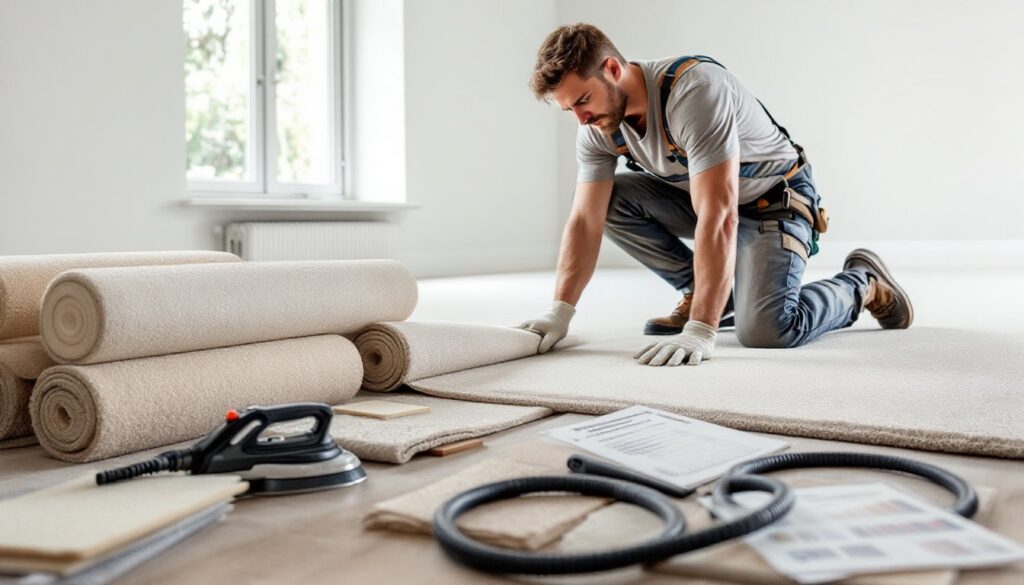
Labor typically comprises 40–60% of your total carpet installation bill. Professional installers charge between $0.50 and $2 per square foot for labor alone, depending on job complexity and your region. Simple, rectangular rooms cost less per square foot because installers work faster: complicated spaces with multiple doorways, transitions, and seams cost more.
Most professional installers include padding, seaming, and basic furniture moving in their labor quote. But, confirm what’s included: do they remove and haul away old carpet? Do they move built-in furniture or only lightweight pieces? Do they charge extra for stairs, which require more precision and time? Some installers tack on a trip fee ($50–$150) if you’re having a single room done far from their main service area.
Don’t skimp on padding, it’s not a cosmetic upgrade. Underlayment (the cushioning layer under carpet) costs $0.50 to $1.50 per square foot but extends carpet life by 5+ years by reducing wear and providing shock absorption. Cheap or missing padding causes premature wear and is a common reason why budget installations fail prematurely.
Ways To Save Money On Your Carpet Project
Savvy homeowners can trim costs without sacrificing durability. Start by comparing quotes from at least three installers, prices vary, and a reputable local installer may beat big-box store pricing. Get written bids that break down carpet, padding, and labor: verbal quotes lead to surprises.
Consider mid-range carpet ($3–4 per square foot) rather than the absolute cheapest option. The performance difference is significant over 10 years, and you’ll actually save money per year of use. Polyester and quality nylon in standard colors are competitively priced: custom colors and specialty textures cost more.
Time your project during the off-season (late fall or winter) when installers have more availability and may negotiate rates. Summer and spring demand drive prices up. Also, consolidate jobs, having carpet installed in multiple rooms at once may qualify you for a volume discount, and the installer makes one trip instead of two.
Removing old carpet yourself before the installer arrives is usually not worth it unless you enjoy hard labor. Disposal is heavy and awkward, and installers do it as part of their routine. But, clearing the room of furniture and debris saves them setup time and may earn you a modest discount, ask when you get quotes.
Finally, check contractor reviews on Angi and project planning resources on ImproveNet to vet installers before hiring. A $200 premium for a reputable contractor beats a $500 discount from someone who leaves seams poorly sealed or puckers stretches the carpet too tight (which causes buckling).
Conclusion
Carpet installation costs hinge on fiber quality, room size, padding choice, and local labor rates. A realistic budget for most homeowners falls between $1,500 and $4,000 for a whole-house project, though single-room jobs cost less. Avoid the false economy of ultra-cheap carpet, mid-range material with proper padding offers the best value over time. Get multiple written quotes, ask about what’s included, and time your project when installers aren’t swamped. With a little assignments, you can install quality carpet that feels great and lasts a decade without very costly.