Table of Contents
ToggleA leaky roof doesn’t wait for convenient timing. Whether it’s water staining your ceiling after a storm or a slow drip in the attic, roof repairs rank high on most homeowners’ worry lists, especially when they start thinking about cost. The price of fixing a leaky roof varies wildly depending on what’s actually broken, where you live, and how much damage has already spread. In 2026, homeowners can expect anything from a few hundred dollars for a simple patch to several thousand for extensive repairs. This guide walks through the real variables that affect pricing, what different damage types typically cost to repair, and how to decide whether fixing your roof makes sense or if replacement is the smarter move.
Key Takeaways
- Leaky roof repair costs typically range from $150–$800 for localized damage, but structural repairs and water damage can escalate to $1,000–$3,000+, making early diagnosis critical.
- Roof size, pitch (slope), and complexity are primary cost drivers—larger roofs and steep pitches require more labor time and safety equipment, directly increasing repair expenses.
- Repairs make sense for roofs under 15 years old with isolated damage, while replacement becomes smarter for roofs 20+ years old or with multiple widespread leaks indicating systemic failure.
- Getting at least three contractor estimates, asking about material trade-offs, and scheduling repairs during off-peak seasons can significantly reduce leaky roof repair costs without sacrificing quality.
- A full roof replacement averages $8,000–$25,000 but may be more cost-effective long-term than recurring repairs on aging roofs that require repeated fixes over several years.
Factors That Determine Roof Repair Pricing
The cost of roof repair isn’t one-size-fits-all. Several overlapping factors push prices up or down, and understanding them helps you anticipate what contractors will quote.
Roof Size and Pitch
Roof contractors measure work in squares, each square equals 100 square feet. A typical single-story home runs 15–25 squares: larger homes or complex designs can hit 40+ squares. Labor costs scale with square footage, so a bigger roof simply takes longer to repair. Pitch (slope) matters equally. A gently sloped roof at 4:12 (rises 4 inches for every 12 inches of run) is safer and faster to work on than a steep 12:12 pitch. Steep roofs demand more safety equipment, slower work, and sometimes a second crew member, costs climb accordingly. A contractor also factors in roof complexity: multiple valleys, chimneys, skylights, and protrusions all add labor time.
Damage Severity and Extent
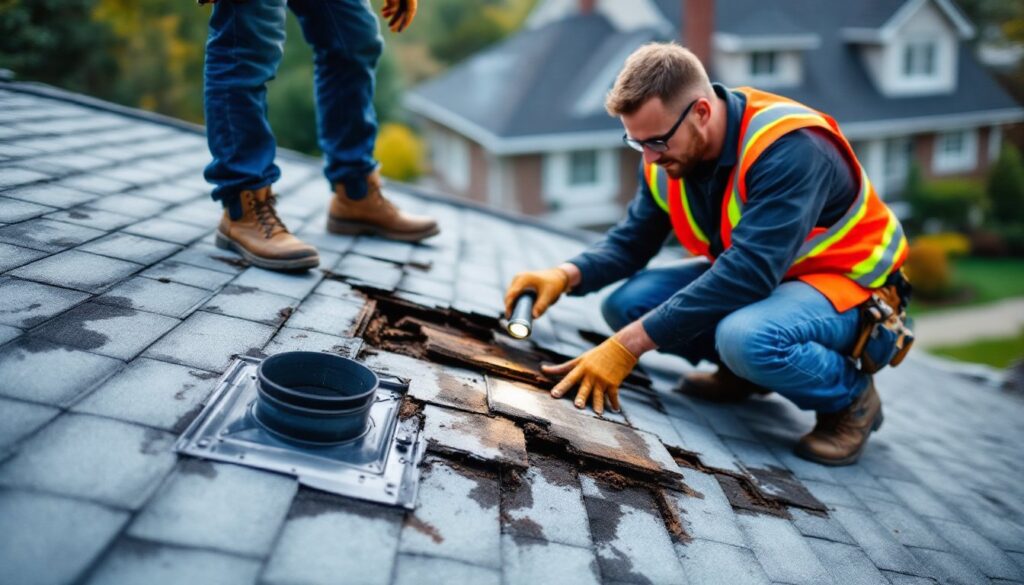
Small, localized leaks, say, damaged shingles around a vent or a few cracked tiles, cost far less than widespread water damage that’s rotted underlayment or structural framing. A contractor must assess how deep the damage goes. Surface-level damage (bad shingles, torn flashing) stays on the roof. Structural rot requires interior work: removing ceilings, replacing joists, and treating mold. The more hidden damage, the higher the final bill. Age of the roof also influences repair scope. An older roof near the end of its life (20+ years for asphalt, 30+ for metal) may have deteriorated substrate or fasteners that complicate repairs, sometimes making replacement the smarter economic choice.
Average Repair Costs by Damage Type
Real-world pricing depends on what broke and how many shingles or panels need attention.
Shingle or tile replacement for localized damage (under 10 damaged pieces) typically runs $150–$500. A roofer removes damaged shingles, inspects the underlayment and nails, replaces the shingles, and seals them. This assumes no rot or hidden damage underneath.
Flashing repairs or replacement around chimneys, vents, and skylights often cost $200–$800. Flashing is the metal trim that directs water away from penetrations. It can corrode, rust, or pull away, creating a leak path. Replacement involves removing old flashing, checking the substrate, and installing new material with proper sealant.
Leak sealing and minor patching, when the damage is small and localized, runs $100–$300. A roofer finds the leak source (sometimes trickier than it sounds), clears debris, applies roofing cement or patches, and monitors it. This is a quick fix but isn’t permanent if underlying materials are compromised.
Structural repairs involving rot or water damage escalate costs to $1,000–$3,000+. If water has saturated the underlayment, sheathing, or framing, those materials must be replaced. This means removing multiple layers, treating any mold, installing new plywood or OSB, and reinstalling roofing. Contractors often discover this damage only after opening up the roof, which can blow out an initial estimate.
According to data on roof repair costs across markets, prices also reflect regional labor rates and material availability. A roof repair in a rural area may cost less than the same job in a dense metro region where labor commands higher wages.
When to Repair vs. Replace Your Roof
Not every leak warrants a quick patch. Sometimes spending money on repair sets you up for another leak six months later. The repair-vs.-replace decision hinges on roof age and damage scope.
Repair makes sense if:
- Your roof is under 15 years old and damage is isolated (one or two problem areas, not scattered across the surface).
- The damage is minor, a few shingles, flashing, or sealant, and doesn’t suggest systemic failure.
- Structural components (sheathing, joists, framing) are dry and sound.
- You plan to stay in the home long enough to recoup the repair cost.
Replacement is smarter if:
- The roof is 20+ years old (asphalt shingles) or nearing the end of its rated life.
- Multiple leaks appear in different locations, suggesting the roofing material itself is failing.
- Water damage has spread to framing or attic space, indicating the problem is systemic.
- Repairs keep recurring. If you’ve patched the same spot twice in two years, replacement saves money long-term.
- The roof covers extensive area with damage: replacing may not cost much more than repairing half of it.
A full roof replacement averages $8,000–$25,000 depending on size, material (asphalt, metal, tile), and regional labor rates. That sounds steep, but a new asphalt roof lasts 20–25 years, while serial repairs on an aging roof may cost nearly as much in total expenditure over five years. Many homeowners find that a roof inspection by a licensed contractor, often free or low-cost, clarifies whether repair or replacement makes financial sense. Platforms like Angi and ImproveNet help you compare contractor estimates and read reviews before committing.
Money-Saving Tips for Roof Repairs
A leaky roof is not a DIY project for most homeowners. Working at height, handling heavy materials, and ensuring water-tight seals demand skill and safety gear that most folks don’t have. That said, you can manage costs without cutting corners on quality.
Get multiple quotes. At least three contractors should inspect and estimate. Prices vary based on their overhead, experience, and local market rates. A low bid is tempting, but verify the contractor is licensed, insured, and reputable (check reviews on local sites or contractor networks).
Ask about material options. Some roofers upsell premium materials when a mid-range product does the job. Asphalt shingles are the budget standard: architectural shingles cost a bit more but last longer. Metal flashing outlasts aluminum. Discuss trade-offs without sacrificing durability.
Combine repairs with preventive work. If a roofer is already up there, ask about gutter cleaning, sealant reapplication, or a moss/algae treatment. Bundling reduces per-job overhead costs and prevents future leaks.
Schedule repairs off-peak. Roofers are busiest after storms and in spring/fall. A repair in early winter or summer sometimes negotiates a better rate and faster scheduling.
Document the problem. Before calling a contractor, take photos of the leak from inside the attic or from where water is entering. Note the leak location relative to features (chimney, valley, vent). This helps contractors diagnose without extensive detective work, keeping labor time and costs down.
Check warranty details. Most roofing material comes with a manufacturer warranty (20–30 years), and labor warranties from the contractor typically run 5–10 years. Clarify what the warranty covers, material defects only, or installation issues too? A solid warranty protects your investment.
Conclusion
Leaky roof repair costs are real but predictable once you understand what drives pricing: roof size, pitch, damage severity, and your region’s labor market. Most localized repairs land in the $200–$800 range, while structural damage can push costs higher. The key is assessing whether you’re fixing a one-off problem or patching a failing roof that’ll need replacement soon. Get inspections from licensed contractors, compare estimates, and don’t skip repairs hoping they’ll go away, water finds its way down eventually, and delayed action compounds the damage and cost. With a clear-eyed approach and realistic budget, you’ll protect your home without overspending.