Table of Contents
ToggleYour roof is one of your home’s biggest investments, and when damage hits, the repair bill can sting. A small leak today becomes a water-stained ceiling and structural rot tomorrow if left unchecked. The real challenge isn’t just figuring out what’s broken, it’s understanding what you’ll actually pay to fix it. Roof repair costs in 2026 vary wildly depending on the damage type, your location, and whether you need a contractor or can tackle it yourself. This guide walks you through realistic pricing, what drives those numbers, and how to make smarter decisions about your roof’s repair and maintenance.
Key Takeaways
- Cost to repair a roof ranges from $200–$600 for simple leak fixes to $2,000–$5,000+ for structural damage, with prices varying significantly based on damage type, location, and roof pitch.
- Steep roof pitches, specialty materials like metal or slate, and structural damage can increase repair costs by 25% to 200%, making a thorough inspection essential before accepting a quote.
- DIY repairs on minor issues like replacing a few shingles can save 40–60% on labor, but structural damage, extensive leaks, and flashing work require licensed contractors for safety and warranty protection.
- Seasonal timing matters: scheduling repairs in fall or winter can yield 10–20% discounts, while spring and summer demand drives premium pricing and rush fees up to 50%.
- Getting multiple written estimates, handling preventative maintenance yourself, and filing insurance claims strategically can significantly reduce your overall roof repair expenses.
Average Roof Repair Costs by Damage Type
Shingle and Leak Repairs
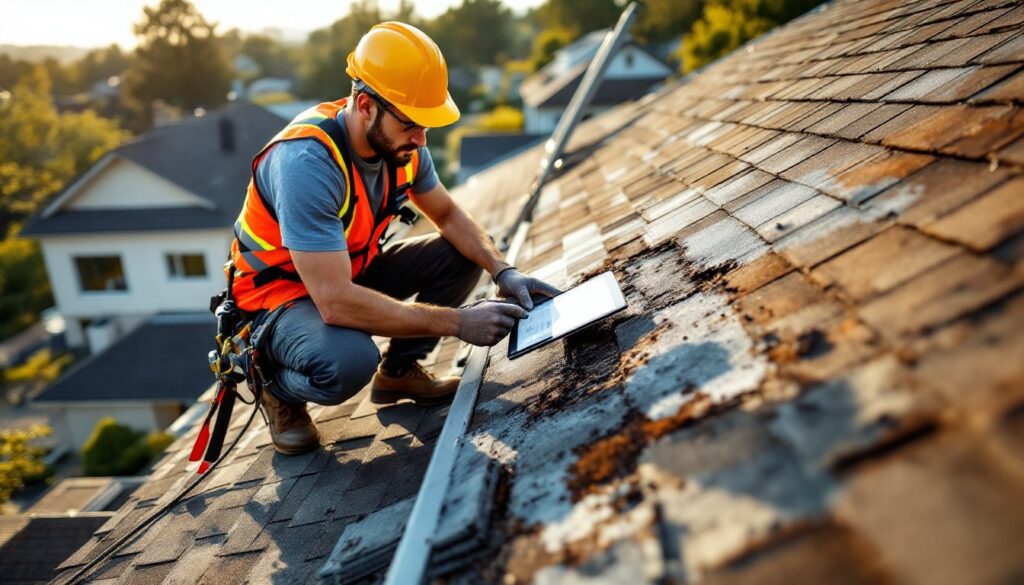
Leaks are the most common roof repair, and the cost depends heavily on location and severity. A straightforward fix, replacing a handful of damaged asphalt shingles or patching a small hole, typically runs $200 to $600 for labor and materials. Most contractors charge a minimum service call, which is why small jobs rarely cost less.
When you’re dealing with a localized leak that hasn’t penetrated the decking yet, you might only need flashing replacement or sealant reapplication. Flashing (the metal strips around chimneys, vents, and valleys) costs between $150 and $400 to replace, depending on location and complexity. If the leak has caused damage to the sheathing or decking underneath, you’re looking at $400 to $1,000 or more because the contractor must remove shingles, repair or replace the damaged wood (typically ½-inch plywood or OSB), and reinstall shingles.
Asphalt shingle replacement is priced by the square (100 square feet). A single square of basic 3-tab shingles runs $100 to $250 in materials, plus labor. Architectural shingles, which last longer and look better, cost $150 to $400 per square. If your roof is steep, has multiple valleys, or requires scaffold rental, labor costs climb quickly, expect $150 to $300 per hour per crew member.
Structural and Storm Damage
Hail, high winds, or tree damage that affects roof trusses, joists, or multiple sections jumps into a different price tier. When the structural frame is compromised, insurance usually gets involved, and contractors must often obtain permits and follow building codes strictly.
Minor structural repairs, reinforcing a damaged truss or sistering (bolting a new joist alongside a damaged one), cost $500 to $1,500. Replacing an entire section of roof framing and decking after a tree fall or major storm damage can run $2,000 to $5,000 or more, depending on the area affected. These jobs require a licensed contractor in most jurisdictions, and you may need an engineer’s sign-off.
Hail damage affecting a large roof area can trigger full roof replacement rather than repair. When that happens, you’re no longer in repair territory: costs range from $5,000 to $15,000+ depending on your roof size and material choice. This is where insurance claims become critical. Most homeowners’ policies cover weather-related damage after your deductible, so filing a claim often makes financial sense.
Factors That Impact Your Repair Price
Roof pitch (slope) is one of the biggest hidden cost drivers. A low-pitch roof is easier to work on and safer for crews, so labor runs cheaper. Steep pitches require harnesses, scaffolding, and slower work, expect to pay 25% to 50% more in labor. A 12/12 pitch (45-degree angle) costs significantly more to repair than a 4/12 pitch.
Roof material matters enormously. Asphalt shingles are the cheapest to repair, with most fixes falling in the $300 to $1,000 range. Metal roofing, tile, or slate repairs cost 50% to 200% more because the materials are pricier and fewer contractors are trained to work with them. Specialty materials like standing-seam metal require specific fastening methods and tools.
Location and accessibility affect labor costs. If your roof is 40 feet up with limited attic access, crews spend extra time setting up and moving materials. Corner lots or homes on hillsides can make equipment placement harder, increasing labor. Urban areas with high contractor demand typically see prices 15% to 30% higher than rural regions.
Permit requirements vary by jurisdiction and repair scope. A simple shingle patch rarely needs a permit, but structural work almost always does. Permits add $100 to $500 depending on your location and inspection requirements. Some jurisdictions require a licensed contractor for any roof work: others allow homeowner repairs on owner-occupied homes.
Seasonal demand influences pricing. Spring and summer see peak roof repair demand, so contractors charge premium rates. Fall and winter offer discounts of 10% to 20%, though weather delays become more likely. Emergency repairs (after a storm) carry rush fees of 25% to 50%.
Decking condition is the wild card. Once a contractor opens up the roof to repair flashing or replace shingles, they might discover soft or rotted plywood underneath. Replacing a few sheets of decking adds $200 to $600 per sheet installed. This is why getting a thorough inspection before accepting a quote matters.
DIY Roof Repairs vs. Hiring a Professional
Tackling small roof repairs yourself can save 40% to 60% on labor costs. Replacing a few shingles, clearing gutters, or resealing flashing are genuinely doable for homeowners with basic tool skills and no fear of heights. You’ll need a ladder (a 32-foot extension ladder runs $100 to $300 if you don’t own one), basic hand tools, and roofing cement. A bundle of asphalt shingles costs $25 to $60, and roofing nails are cheap.
That said, safety is non-negotiable. A fall from a roof is often fatal. You need proper fall protection, at minimum, a safety harness rated for roof work (around $50 to $150) and secure tie-off points. Wear non-slip shoes with good grip, work gloves, and eye protection. Never work on a wet roof or in high winds. If your roof is steep (over 8/12 pitch), icy, or you’re uncomfortable with heights, hire a professional.
Structural damage, extensive leaks, or repairs involving flashing or valley work are best left to licensed contractors. They have insurance, understand local codes, and can identify problems you’d miss. A contractor’s mistake means they’re liable: your DIY mistake leaves you paying twice, once for the repair and again to fix what went wrong.
Professional repairs cost more upfront but provide warranties (typically 5 to 10 years on labor) and are insurable events if something goes wrong. When you file an insurance claim for damage, professional repairs backed by a licensed contractor are usually required anyway. Many homeowners’ policies won’t honor repairs done by the homeowner unless they’re very minor.
Ways to Reduce Your Roof Repair Expenses
Get multiple quotes. Prices vary widely between contractors. Collect three written estimates and compare scope, warranty, timeline, and price. Home service reviews help you vet contractors and spot unusually high or low bids. A bid under 60% of average for your area is a red flag: so is one over 150%.
Time your repair around the off-season. Schedule non-emergency repairs in fall or winter when contractor demand drops. You might negotiate 10% to 20% discounts without sacrificing quality. Avoid rush fees by addressing leaks promptly rather than waiting until a storm compounds the damage.
Handle small preventative maintenance yourself. Clean gutters twice yearly ($0 if you do it), trim tree branches hanging over your roof (free, saves water damage), and inspect flashing after storms. Catching loose shingles or small gaps early prevents costly water damage that spreads into your attic and walls.
Use insurance strategically. If a storm causes damage, file a claim even for repairs under your deductible. Insurance adjusters might identify secondary damage you missed, and your claim documents become proof of damage for future buyers. Don’t assume damage won’t be covered: let the insurance company decide.
Negotiate bundled work. If you’re planning gutter replacement or chimney work, bundle it with roof repairs and ask for a package discount. Contractors save time moving equipment and scheduling, so they often pass savings to bundled jobs.
Ask about material alternatives. A contractor proposing premium architectural shingles for a repair might offer basic 3-tab shingles at lower cost. The trade-off is lifespan (20 years vs. 25-30 years), so calculate the long-term cost. For some repairs, the payoff doesn’t justify premium materials. Contractor resources and cost guides break down material options and realistic pricing by region.
Conclusion
Roof repair costs range from a few hundred dollars for simple fixes to several thousand for structural damage, and the final bill depends on damage type, roof pitch, materials, and contractor selection. The most expensive repair is the one you delay, a small leak ignored becomes rot that spreads into framing and insulation. Stay proactive with maintenance, get written quotes, understand your insurance coverage, and don’t skip safety if you’re tempted to go the DIY route. When in doubt, hire a licensed professional: your roof keeps everything beneath it dry and secure, so it’s worth getting right.